

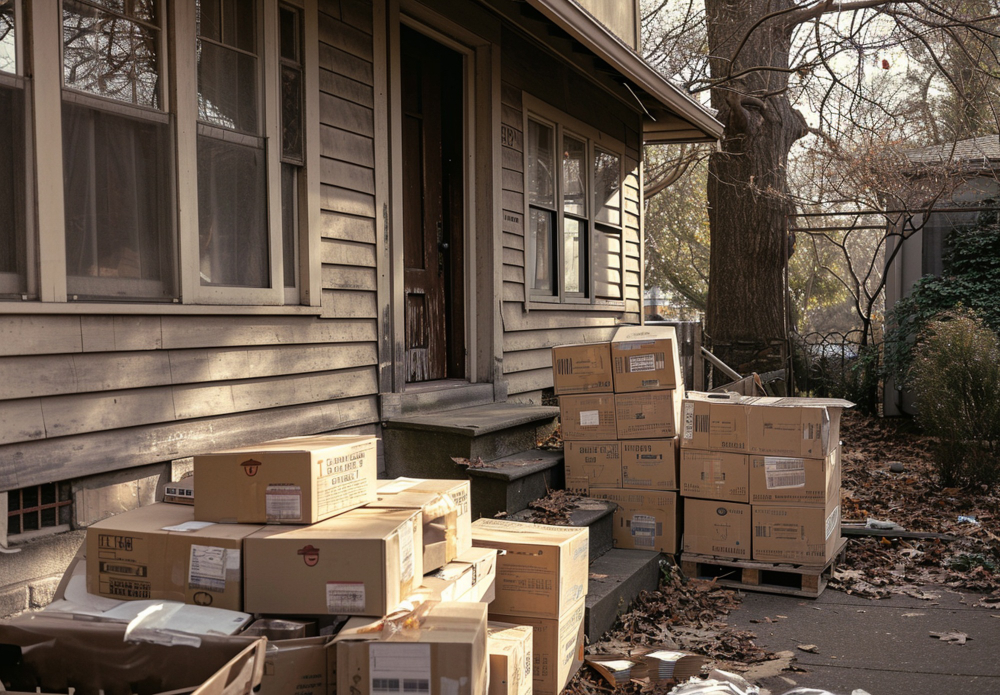
Losing someone close to you is hard enough. Dealing with their home, possessions, paperwork, and legal responsibilities on top of grief can feel overwhelming. House clearance after a bereavement isn’t just about removing furniture. It sits within the wider process of probate, estate administration, and property transition.
At iTrade House Clearance Norfolk, we work with families, executors, and solicitors across Norfolk to manage bereavement house clearances properly — legally compliant, organised, and handled with respect.
This guide explains what families genuinely need to understand before clearing a property after a death.
Understanding the Legal Position Before Clearing a Property
Before anything is removed from a deceased person’s home, you need to be clear about who has authority.
In most cases, responsibility falls to:
- The Executor of the Will
- The Next of Kin (if there is no will)
- An appointed Administrator under Letters of Administration
If a will exists, the executor will usually need to apply for a Grant of Probate through the Probate Registry, part of HM Courts & Tribunals Service. If there is no will, the estate is classed as intestate, and Letters of Administration are required.
Can You Clear a House Before Probate?
This is where families often get it wrong.
You can:
- Secure the property
- Remove obvious perishables
- Begin sorting personal belongings
- Arrange valuations
You should not:
- Sell high-value assets
- Dispose of items that form part of the estate valuation
- Distribute belongings to family members
Estate assets must be assessed for probate valuation and possible Inheritance Tax (IHT) liability. Clearing everything too early can create legal complications.
What Needs to Be Identified Before Clearance
Before arranging a full house clearance, the estate needs a proper inventory.
This includes:
- Property contents valuation
- Antiques or collectibles
- Jewellery and watches
- Important paperwork
- Bank documents
- Pension information
- Insurance policies
- Title deeds
Items of potential value may require appraisal by an auction house or antiques specialist. Executors have a legal duty to ensure estate assets are not undervalued.
A professional probate house clearance company understands this and does not treat everything as waste.
The Practical Process of Bereavement House Clearance
Once legal authority is confirmed and valuation completed, clearance can begin.
A structured probate clearance typically includes:
1. Sorting and Segregation
Items are separated into:
- Family-retained belongings
- Assets for sale
- Charity donations
- Recycling
- Waste disposal
Sensitive handling of sentimental items is essential. This is not the same as a standard end-of-tenancy clearance.
2. Secure Disposal of Documents
Personal data, bank statements, medical records, and identification documents must be securely destroyed. Data protection still applies after death.
3. Licensed Waste Removal
In the UK, any business conducting waste removal must be a licensed waste carrier registered with the Environment Agency. A proper waste transfer note should be issued.
If a clearance company cannot provide this, they are not operating legally.
4. Recycling and Ethical Disposal
Responsible house clearance involves:
- Council-approved recycling routes
- Reuse channels
- Charity donation coordination
Fly-tipping liability can fall back on the property owner or executor if waste is disposed of illegally.
Financial Considerations Families Should Expect
Bereavement house clearance costs vary depending on:
- Property size
- Volume of contents
- Accessibility
- Level of sorting required
- Specialist disposal needs
- Hoarded property conditions
Transparent pricing matters. You should receive:
- A clear written quote
- Explanation of what is included
- Breakdown of waste and labour costs
In some cases, saleable items may offset clearance costs, but this must be properly documented for estate accounting.
Avoid companies that promise “free clearance” without clear explanation. That often means high-value items are being absorbed without transparent valuation.
Learn More: House Clearance vs Skip Hire in Norfolk – Which Option Works Best?
Timelines: How Long Does It Take?
Probate itself can take several months depending on complexity and tax liability.
Clearance timing depends on:
- Whether probate has been granted
- Whether the property is insured during probate
- Whether the house is being sold
- Whether there are multiple beneficiaries involved
Some families need partial clearance first — for example, to prepare a property for valuation or insurance inspection.
Others require full estate clearance prior to sale.
There is no single timeline. It depends on legal progress and family coordination.
Insurance and Property Security During Probate
While probate is ongoing, the property must remain insured. Many insurers require notification after the death of the policyholder.
Vacant property insurance may be required if the home is unoccupied.
Basic steps include:
- Changing locks if necessary
- Redirecting post
- Informing the local council
- Managing council tax notifications
- Securing valuables
A clearance company should not remove contents until property security and insurance arrangements are clear.
Emotional Reality: This Is Not Just a Clearance Job
Families are often sorting through decades of memories.
Grief affects decision-making. It slows things down. It can cause disagreements between beneficiaries.
A professional bereavement clearance service should:
- Allow time for family review
- Work around emotional needs
- Avoid rushing decisions
- Provide structured support
This is not a fast commercial strip-out. It requires patience and coordination.
When Specialist Services May Be Needed
Some properties require additional support:
- Deep cleaning services
- Biohazard cleaning (in certain circumstances)
- Hoarded property clearance
- Garden clearance
- Locksmith services
- Property staging before sale
Estate administration often involves multiple moving parts. Clearance is only one element.
Common Mistakes Families Make
Be aware of these errors:
- Disposing of items before probate valuation
- Allowing unlicensed waste carriers to remove contents
- Failing to document valuables
- Informally dividing belongings before legal authority
- Ignoring insurance requirements
These mistakes can delay estate settlement or create disputes.
How iTrade House Clearance Norfolk Supports Families
At iTrade House Clearance Norfolk, we provide structured probate house clearance services across Norfolk.
Our approach includes:
- Clear communication with executors and solicitors
- Careful sorting and inventory awareness
- Licensed waste carrier compliance
- Environment Agency registration
- Transparent pricing
- Ethical recycling routes
- Respectful handling of personal belongings
We understand that bereavement house clearance sits within a legal and emotional process. It must be handled properly, not rushed.
Learn More: Licensed vs Unlicensed House Clearance Companies: What You Risk
Final Thoughts
House clearance after a bereavement is part legal responsibility, part logistical exercise, and part emotional journey.
Before removing anything, ensure:
- Legal authority is confirmed
- Estate assets are properly valued
- Waste compliance is guaranteed
- Documentation is secure
- Pricing is transparent
Done correctly, clearance helps move the estate forward. Done poorly, it creates delays and disputes.
If you are managing a deceased estate in Norfolk and need practical, compliant support, iTrade House Clearance Norfolk can guide you through the clearance stage properly — with clarity and respect.

